


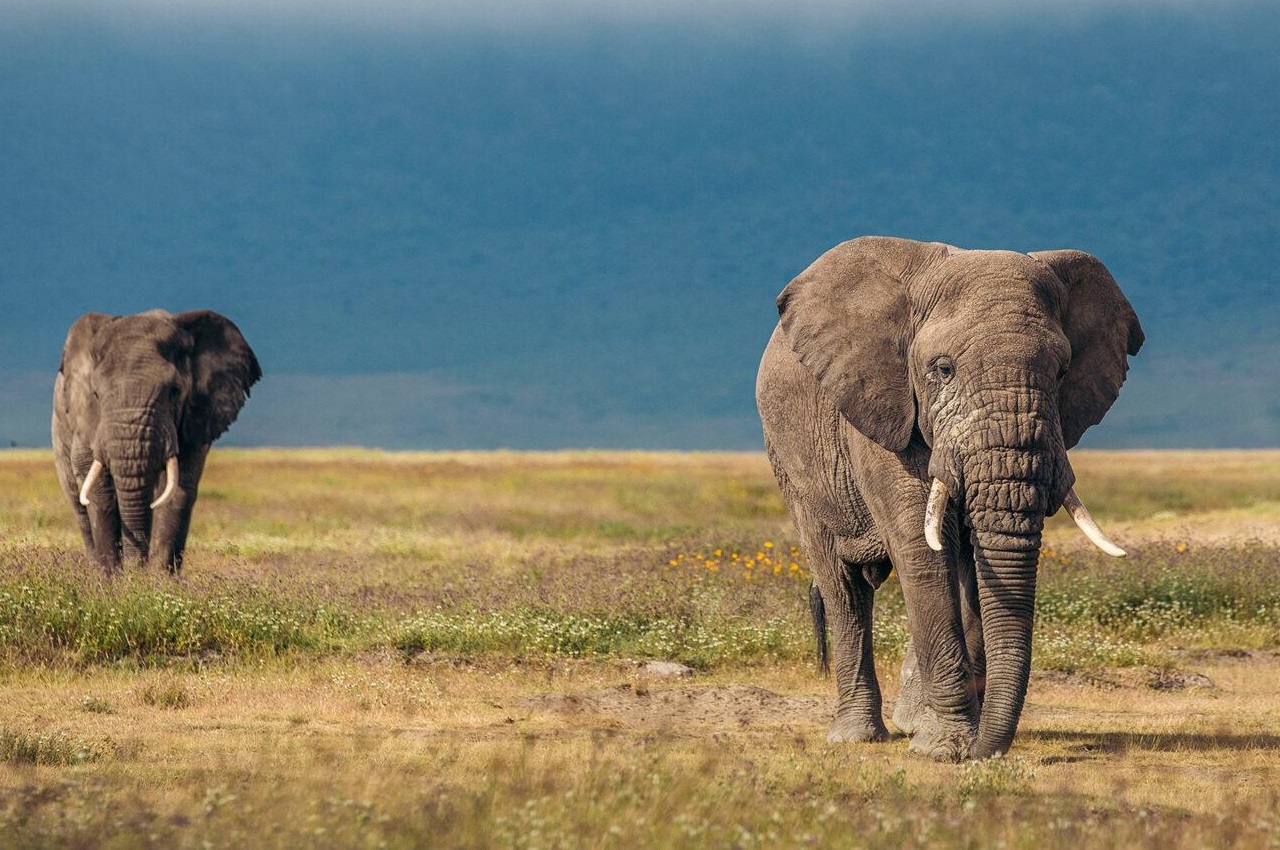
7 Days Safari Tarangire,Lake Natron, Serengeti , Ngorongoro Crater *Mid Range.

| Included |
|
|---|---|
| Excluded |
|
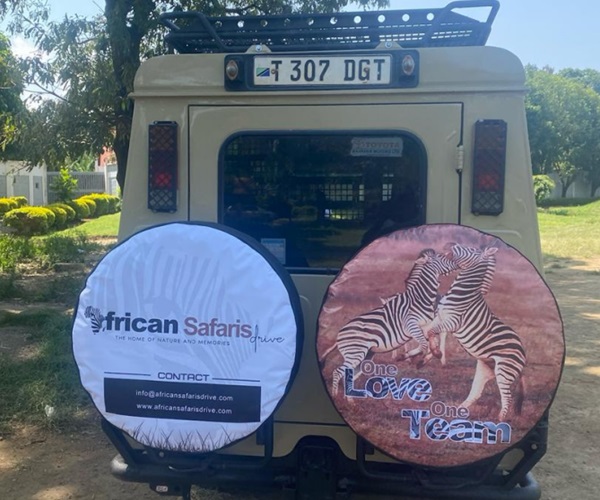
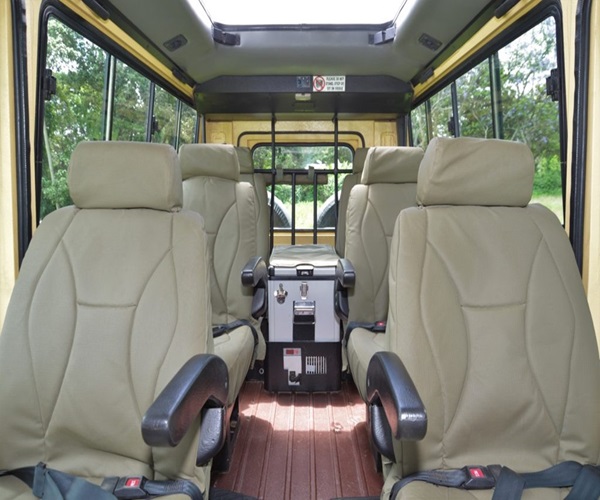
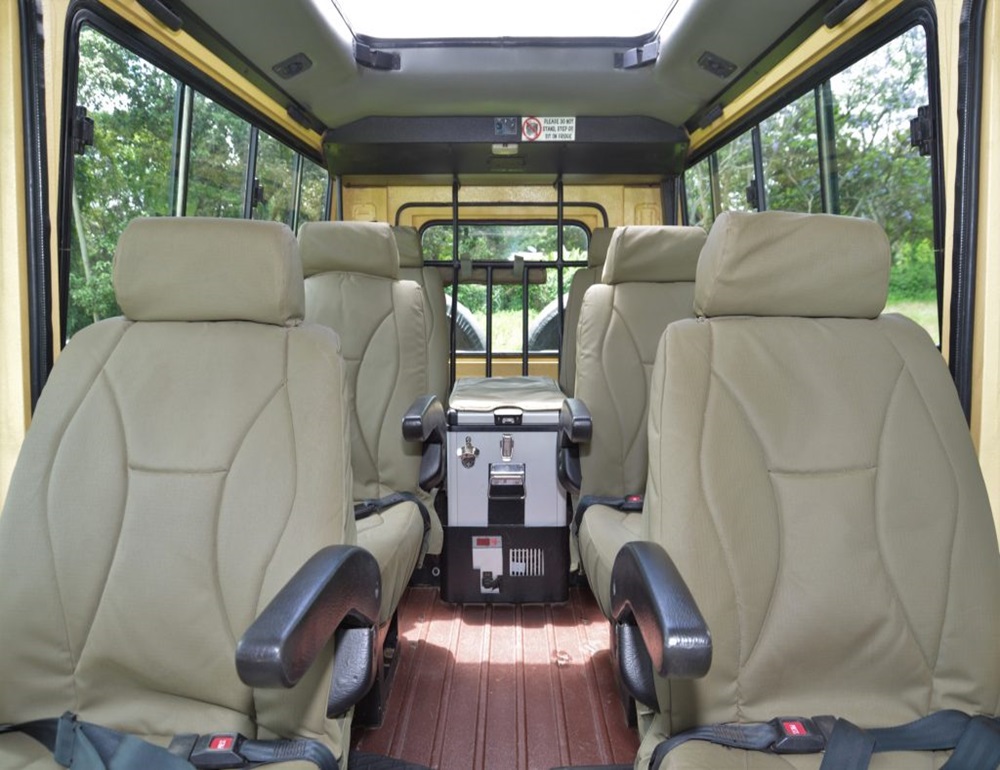
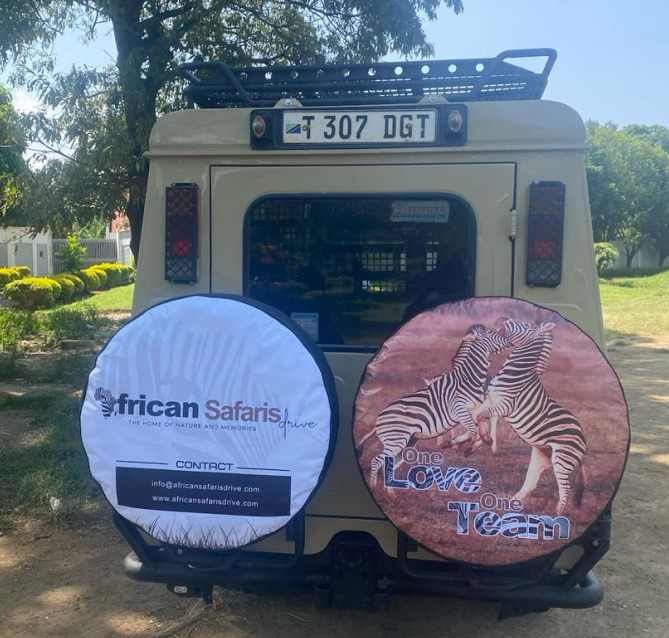
 Travel With Safari Vehicle Travel With Safari Vehicle
|
|
7 Days Safari Tarangire,Lake Natron, Serengeti , Ngorongoro Crater *Mid Range.
Accommodation: Marera Valley Lodge – Karatu
Drive Time: Arusha to Tarangire ~2.5 hrs | Tarangire to Karatu ~1.5 hrs
The journey starts 0800hrs. Drive to Tarangire National Park
Upon arrival, proceed with game drive while heading one of the lodges in Tarangire for hot lunch
Afternoon game drive in Tarangire National Park
Later on depart for Karatu area
Dinner and overnight at Marera Valley Lodge – standard room
Tarangire is often overshadowed by its more famous neighbors, but it's one of Tanzania’s hidden safari gems, especially during the dry season (June–October) when wildlife congregates along the Tarangire River. The landscape is striking—dotted with giant baobab trees, open grasslands, and seasonal swamps. Tarangire is known for its large elephant herds, often numbering in the hundreds, as well as impressive populations of buffalo, lions, zebras, and giraffes. It's also a birdwatcher’s paradise, with over 500 species recorded. The park's quieter atmosphere makes for a more intimate safari experience compared to busier parks like Serengeti.
.
Accommodation: Africa Safari Lake Natron
Drive Time: Karatu to Lake Natron ~5–6 hrs (via Great Rift Valley and Maasai lands)
0800hrs drive to Lake Natron area
Arrive in time for lunch at Africa Safari Lake Natron
In the afternoon, a choice of one/two of activities to enjoy for the remainder of the day.
A few recommended activities: Walk to Engaresero Waterfalls, Bird Watching, Walk to Lake Natron (Flamingo watching). All these are guided activities with the local individuals
Dinner and overnight at Africa Safari Lake Natron – standard room
Lake Natron
Remote, hauntingly beautiful, and otherworldly, Lake Natron lies in the eastern arm of the Great Rift Valley, beneath the active volcano Ol Doinyo Lengai, sacred to the Maasai. This shallow, soda lake is famous for being the largest breeding ground for lesser flamingos in East Africa, who thrive in the lake’s highly alkaline environment. The scenery is surreal—cracked salt flats, volcanic rock, and red-tinged waters contrast against the stark backdrop of the escarpment. Beyond its natural allure, Lake Natron is rich in Maasai culture, with opportunities to engage in guided walks, visit local bomas (villages), or hike to hidden waterfalls that cascade through basalt canyons.
.
Accommodation: North Heritage Camp – Northern Serengeti
Drive Time: Lake Natron to Northern Serengeti ~6 hrs (via Loliondo corridor)
Flamingo Lake Walk (Lake Natron)
One of the signature experiences at Lake Natron is a guided morning walk across the cracked mudflats toward the lake’s edge, where thousands of flamingos shimmer in the heat haze. The alkaline waters are inhospitable to most forms of life, but ideal for the cyanobacteria that flamingos feed on. As you walk with a local Maasai guide, you’ll learn about the lake’s ecology, geology, and the cultural connection the local people have to the land. It’s a peaceful, slow-paced experience with incredible photographic opportunities, especially at sunrise when the light hits the lake’s glassy surface.
.
Accommodation: Manya Serengeti Camp – Northern/Central Serengeti
Drive Time: Flexible – game drives around Mara River area or southward transit
Northern Serengeti
Far from the tourist crowds of central Serengeti, the northern region offers a wilder, more exclusive safari experience. This is the prime location for witnessing the Great Migration’s dramatic river crossings (typically July–October) as hundreds of thousands of wildebeest and zebras brave the crocodile-infested Mara River. The landscape is more varied here—rolling hills, dense woodland, and permanent rivers create a habitat that’s rich in predators like lions, leopards, and cheetahs. It’s also ideal for extended game drives, bush meals, and night sounds under canvas at intimate camps nestled in the wilderness.
.
Accommodation: Manya Serengeti Camp – Central Serengeti
Drive Time: 4–5 hrs with wildlife viewing en route
Central Serengeti
The heart of Serengeti National Park is its vast central region, famed for its open savannahs, golden grasses, and iconic granite outcrops known as kopjes. These rocky islands serve as lookout points for big cats and are a favorite lounging spot for lions. Wildlife is abundant year-round due to permanent water sources, making this one of the best areas to see the Big Five, especially lions and leopards. The Central Serengeti is also home to resident herds of herbivores, so even outside the migration season, game viewing is spectacular. Sunsets here are legendary, casting a warm glow over endless plains teeming with life.
.
Accommodation: Laba Laba Ngorongoro Lodge – Crater Rim/Highlands
Drive Time: Central Serengeti to Ngorongoro ~4–5 hrs
Ngorongoro Highlands
As you ascend from the Serengeti plains into the Ngorongoro Highlands, the air cools and the landscape transforms into misty forests, crater rims, and rolling green hills. This area is part of the Ngorongoro Conservation Area, a UNESCO World Heritage Site that uniquely blends wildlife conservation with human habitation. The Highlands offer a more tranquil side of safari, with cultural experiences, nature walks, and scenic views over the crater rim. The region’s fertile volcanic soils support small-scale farming by local Maasai communities. Accommodations are often tucked into the forest, offering cozy fireplaces and lush gardens.
.
Accommodation: ? Departure day (or optional Arusha lodge)
Drive Time: Crater to Arusha ~4 hrs
Ngorongoro Crater
Often called the "Eighth Wonder of the World," the Ngorongoro Crater is the world’s largest intact volcanic caldera. At 600 meters deep and 19 km wide, the crater floor is home to a dense concentration of wildlife—over 25,000 animals—including elephants, hippos, lions, and the rare black rhinoceros. Its diverse habitats—grassland, swamp, forest, and lake—support an incredible biodiversity in a compact area. Morning game drives inside the crater offer some of the best chances to spot the Big Five in one place. The views from the crater rim are jaw-dropping, especially at sunrise when the mist lifts and the full scale of the crater is revealed.
.








Silvia Perry
2 April, 2021 10.00PMMorbi dictum pulvinar velit, id mollis lorem faucibus acUt sed lacinia ipsum. cibuses acUt sed lacinia ipsum. Suspendisse